
















Columbia Nursing Home Abuse Lawyer: Get a Free Consultation
Introduction to Nursing Home Abuse
Nursing home abuse is a deeply troubling issue that affects countless vulnerable individuals in South Carolina, including those residing in Columbia. Abuse in a nursing home can take many forms, such as physical abuse, emotional abuse, sexual abuse, and neglect. Each of these can have devastating consequences, leading to both physical and emotional harm for nursing home residents. In the most severe cases, nursing home abuse can even result in the untimely death of a loved one.
Family members play a crucial role in protecting their loved ones by staying alert to the warning signs of nursing home abuse. These signs may include unexplained injuries, sudden changes in behavior, withdrawal, or fearfulness around certain staff members. If you suspect any form of abuse, it is essential to act quickly. Consulting with a skilled nursing home abuse lawyer or home abuse lawyer can help families seeking justice and fair compensation for their loved ones. An experienced abuse lawyer will guide you through the process, ensuring your loved one’s rights are protected and that those responsible are held accountable. Remember, nursing home abuse can take many forms, and being proactive is the first step toward seeking justice and fair compensation for your loved one.
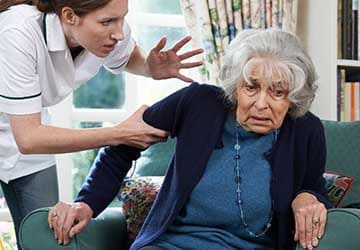 Types of Nursing Facilities
There are several distinct types of nursing homes in South Carolina and across the Southeast and the United States. The level of care required of facility clinical and nursing staff, personnel, and administrators varies greatly depending on the type of facility and the nursing home care offered.
- Skilled Nursing Facility: Our Columbia Nursing Home Abuse Lawyers say, Following an accident, stroke, heart attack or other emergency circumstances requiring post-acute care, individuals will often be referred to a skilled nursing facility; these nursing homes typically require twenty-four hour access to care for residents and patients; these facilities also provide care for those patients whose clinical diagnoses require long-term management, including individual suffering from dementia and other memory disorders, and cardiac, respiratory, or vascular issues. The right to receive appropriate medical care is a fundamental aspect of these facilities, ensuring residents have access to competent healthcare and necessary treatments.
- Residential Care Facilities: Our Columbia Nursing Home Abuse Lawyers say, In general, residential care is community-based care, where residents and patients can expect a degree of privacy in their individual rooms, but also have access to community spaces for various group activities. Generally, a residential care facility will not be required to adhere to the heightened level of care available in a long-term or post-acute facility, but will still be responsible for adequate monitoring and control over communal spaces. In addition, in a residential care setting, a facility must ensure that residents remain “appropriate for care,” meaning that their conditions and diagnoses remain stable and do not require transfer to a higher care setting.
- Home health care: Our Columbia Nursing Home Abuse Lawyers say, While this is not strictly speaking a nursing facility, it is nevertheless skilled or nursing care provided to a patient on a daily or semi-regular basis, administered in the patient’s home or even in their long-term or residential care facility. Although this care may not be provided directly by a facility, staff who administer care in home-health settings must nevertheless adhere to the requisite level of care.
- Hospice: Our Columbia Nursing Home Abuse Lawyers say, This care, known also as end-of-life care, is provided at a point when a patient or their family members have decided to cease curative care and switch to palliative or pain-reducing care; it is important to understand that hospice care is not intended to treat or cure disease, and it is also essential to know how electing this care may interact with certain other benefits or care available to a patient – for example, access to radiology or other examinations that are designated as “treatment.”
Regardless of the setting, each level of care includes various roles and responsibilities for those clinicians, nurses, administrators, technicians, and assistants administering the care. It is essential that these professionals provide adequate care and ensure residents have access to necessary medical equipment to maintain safety and well-being. In addition, these facilities and providers have been entrusted with access and monitoring over you and your loved ones. Nursing home residents should be their top priority. When these individuals fail to provide the appropriate level or amount of care, or when they fail to monitor or otherwise protect their residents, injuries and harm can occur. Nursing home negligence is all too common, and it’s crucial to look for signs of neglect in Columbia nursing homes. When visiting nursing homes, you should keep an eye out for potential victims of abuse.
-
Columbia Nursing Home Abuse Lawyers Protecting Your Loved Ones
Signs of Nursing home abuse present themselves in a variety of ways, and it is important to remain vigilant as to these signs if you and your loved ones have made the difficult decision to use residential care. No amount of abuse is acceptable, but unfortunately, abuse, neglect, and other failures of long-term care facilities are common occurrences throughout nursing facilities in South Carolina. Many residents have suffered abuse in various forms, making vigilance and prompt action essential.
South Carolina law expressly protects “vulnerable adults,” defined as any person eighteen years of age or older who has a physical or mental condition that substantially impairs the person from adequately providing for his or her own care or protection. This includes a person who is impaired in the ability to adequately provide for the person’s own care or protection because of the infirmities of aging including, but not limited to, organic brain damage, advanced age, and physical, mental, or emotional dysfunction. A resident of a facility is a vulnerable adult. The law related to vulnerable adults can be found at S.C. Code Ann. Section 43-35-5, et seq., which is known as the South Carolina Omnibus Adult Protection Act. This act also defines “abuse” and “neglect”.
The following are examples of different types of abuse that might occur at a residential or long-term care facility:
- Neglect – Examples include: not providing proper nutrition, failing to provide medication, unsanitary conditions, isolating residents, falls and accidents, and failure to provide adequate skincare, which can result in bedsores known as pressure injuries or decubitus ulcers.
- Financial abuse and financial exploitation – Facilities have specific responsibilities to safeguard and appropriately use resident funds and not charge unexpected fees or uncalled-for expenses. Financial exploitation can include unauthorized withdrawals, misuse of assets, or coercing residents into signing financial documents.
- Physical altercation – As hard as it is to believe, some forms of abuse include various injuries caused by punching, pushing, holding or tying down, slapping, restrains, or other forms of physical abuse.
- Sexual assault and abuse – Though it seems horrific to consider, there have been reports of employees and personnel of facilities engaging in sexual abuse and molestation of residents and patients, for example, in memory units where resident impairment may make detection of the abuse more difficult.
- Emotional abuse – Any words that emotionally harm a resident, including threats, belittlement, etc. Emotional trauma is a significant but often less visible consequence of emotional abuse, impacting the psychological and mental well-being of victims.
Signs of Abuse and Neglect in a Nursing Home Identified by Columbia Nursing Home Abuse Lawyers
Always keep an eye on loved ones for any out of the ordinary changes in their behavior while staying at a South Carolina nursing home. Also, keep an eye out for any injuries, poor conditions, apparent fear, altered mood, unexplained weight loss, and any circumstances that raise suspicion. Consider the other residents in proximity to you or your loved one, and what they may be experiencing. Abuse or neglect may not be occurring in isolation, and there may be other victims. You should first discuss the situation with authorities, and then our Columbia nursing home abuse lawyers.
Nursing Home Abuse Statistics
Nursing home abuse statistics reveal the alarming scope of this problem, both globally and here in South Carolina. According to the World Health Organization, approximately 1 in 6 people aged 60 and older have experienced some form of abuse in a community setting. Closer to home, the South Carolina Department of Health and Environmental Control (DHEC) reported over 1,000 cases of nursing home abuse and neglect in 2023 alone. These numbers highlight the urgent need for vigilance and advocacy to protect nursing home residents from harm.
Even more concerning, studies show that 2 out of every 3 staff members in nursing home and long-term care facilities admitted to participating in some form of abuse toward residents within the previous year. These nursing home abuse statistics underscore the importance of monitoring nursing home facilities and ensuring that all cases of home abuse and neglect are reported and addressed. By raising awareness and holding facilities accountable, we can work toward safer environments for all nursing home residents in South Carolina.
Reporting Nursing Home Abuse
If you suspect nursing home abuse in South Carolina, taking immediate action is critical to protect your loved one and prevent further harm. The first step is to report abuse to the appropriate authorities, such as the South Carolina Department of Health and Environmental Control (DHEC) or your local law enforcement agency. These organizations are equipped to investigate claims and intervene when necessary. In Columbia, victims may also pursue personal injury lawsuits, wrongful death claims, and reports to DHEC or Adult Protective Services.
In addition to contacting authorities, reaching out to a personal injury law firm with experience in nursing home abuse cases can provide invaluable support. Many law firms, including those specializing in nursing home abuse, offer a free consultation to help you understand your legal options. Family members should never hesitate to report abuse or any warning signs they observe, such as unexplained injuries, changes in behavior, or poor living conditions. A dedicated nursing home abuse lawyer or home abuse lawyer can guide families through the entire process, ensuring your loved one’s rights are protected and that those responsible are held accountable. Lawyers often gather medical records, facility staffing logs, and surveillance footage to build the case. Keep a journal as events unfold and save relevant legal documents. Reporting nursing home abuse is not only about seeking justice for your loved one—it’s about safeguarding all residents from future harm.
Compensation for Nursing Home Abuse
Victims of nursing home abuse and their families may be entitled to significant financial compensation for the harm they have suffered. In South Carolina, compensation for nursing home abuse victims can cover a range of damages, including medical expenses, pain and suffering, emotional distress, and, in some cases, punitive damages designed to punish especially egregious conduct. An experienced nursing home abuse lawyer or nursing home abuse attorney can help you navigate the legal process, ensuring that your family receives just compensation for the injuries and trauma endured.
The legal process for pursuing a nursing home abuse claim can be complex, but with the support of a skilled home abuse lawyer, families can hold negligent nursing homes and caregivers accountable. If your loved one died because of abuse or neglect, your family may be able to file a wrongful death lawsuit on their behalf. In South Carolina, the statute of limitations for filing a nursing home abuse lawsuit is generally three years from the date of injury or discovery of the injury, making it essential to seek legal representation as soon as possible. By working with an experienced legal team, you can ensure your loved one’s rights are protected and pursue the financial recovery your family deserves. Don’t wait—contact a nursing home abuse lawyer today to discuss your case and take the first step toward justice, financial compensation, and just compensation.
FAQs about Nursing Home Abuse and Neglect in South Carolina
What can I do if I suspect my loved one has been the subject of abuse or neglect in a Columbia Nursing Home?
Several options may be available to you if you suspect that you or your loved one has been the subject of improper care, abuse, or neglect. You can report the conduct to the South Carolina Office of the Ombudsman and also file a complaint with the South Carolina Department of Health and Environmental Control (DHEC), the state agency responsible for overseeing and inspecting long-term and residential care facilities. Either entity may initiate an investigation, and the results of that investigation can be important in helping to establish a claim against a nursing home facility. Victims can also get the help of a nursing home abuse attorney to file their claim.
What signs should I be aware of if I suspect my loved one has been the victim of nursing home abuse or neglect? – Columbia Nursing Home Abuse Lawyer
It may be difficult to determine if your loved one has been harmed by nursing home abuse or neglect. Some signs of abuse to consider, however, are loss of appetite, weakness, delirium, confusion, agitation, skin deterioration or tearing, or unusual odors.
What rights does my loved one have as a resident of long-term or residential care facility?
Just as South Carolina law expressly protects vulnerable adults, the law also provides a resident bill of rights for residents of long-term care facilities. This bill of rights expressly requires residents to be given care consistent with their privacy, dignity, and respect. Here is a link to the full bill of rights: https://www.scstatehouse.gov/code/t44c081.php
What are common cases alleging Columbia nursing home abuse or neglect? – Columbia Nursing Home Abuse Lawyers
Cases against nursing homes can vary widely, but many involve issues with providing adequate skin or nutritional care or otherwise failing to provide sufficient treatment. For example, a resident may develop a significant pressure injury while in the care of a nursing facility or may develop a preventable infection because of an untreated UTI. Some other common types of nursing home cases include:
- Physical abuse;
- Emotional abuse;
- Sexual abuse;
- Financial abuse.
How common is nursing home abuse or neglect in Columbia? – Columbia Nursing Home Abuse Lawyers
It is nearly impossible to tell every instance of nursing home abuse or neglect in South Carolina. According to statistics, in 2019 alone, the South Carolina Adult Protective Services Agency accepted over 5,000 complaints involving third-party elder abuse or neglect. Many south carolina families also review Medicare star ratings when comparing facilities, even though those ratings do not always reveal every serious problem.
Is there a difference between nursing home medical negligence and abuse or neglect?
While neither should be tolerated, nursing home medical negligence generally refers to providing care below the required standard or failing to provide the requisite level of care. Meanwhile, abuse or neglect can be more overt practices, such as unwanted physical touching or purposeful isolation.
My loved one sustained an injury while they were a resident of a long-term care facility. Does the facility have any responsibility to report the injury?
Yes. Certain outcomes and adverse incidents must be reported to DHEC within a short timeframe by the facility. Failure to accurately report these accidents can constitute an offense in and of itself. All long-term and skilled nursing facilities are responsible for ensuring accurate reporting about accidents at their facility, as well as authorizing access by DHEC or the applicable authorities to records and facilities upon request.
If my loved one has suffered injuries but is still a resident of the facility, should I be concerned that the facility will retaliate?
No. At the outset of residency, the facility should have specified how termination of residency can occur, and retaliation for filing a claim related to abuse, neglect, or potential medical negligence should not be among the reasons a nursing facility can terminate residency.
How long do I have to bring a claim for nursing home medical negligence, abuse, or neglect? – Columbia Nursing Home Abuse Lawyers
The time it takes to bring a claim varies depending on the type of facility. Contacting an experienced nursing home abuse or neglect attorney can be critical in determining your rights and the timeframe for filing a claim.
Are there any special requirements for filing an abuse, neglect, or nursing home medical negligence claim? – Columbia Nursing Home Abuse Lawyers
Depending on the allegations, some claims against long-term care and skilled nursing facilities may require an expert to identify the applicable standard of care and ways that the facility fell below that standard. The nursing home medical negligence, and abuse and neglect attorneys at the Strom Law Firm can talk to you about whether your potential case requires an expert.
If you or a loved one have been the victim of abuse, neglect, or nursing home medical negligence, contact the attorneys at Strom Law Firm, LLC today for a free consultation with a lawyer to discuss the facts and circumstances of your potential case. We will work on your behalf to secure justice for you and your family.
Contact Our Skilled Columbia Nursing Home Lawyers Today
If your loved one has been abused in a Nursing Home or Residential care facility in Columbia, Richland County, or anywhere else across South Carolina, contact us. Our Columbia personal injury lawyers offer free case evaluations, and we don’t collect a fee unless we recover compensation for you. Contact our nursing home neglect lawyers at and find out if we are able to help you.